Know what solar should really cost — and who to trust.
Independent, plain-English guides on solar cost, the equipment that decides your output, and the incentives still worth claiming — plus how to choose a trusted installer.
Free · No obligation · Up to 4 vetted local installers
Educational estimate. Final price depends on roof, usage, equipment & your net-metering rate.
Residential solar runs about $2.50–$3.50 per watt installed — roughly $20,000–$38,000 for a typical 8–11 kW system, or more with a battery. The 30% federal tax credit expired at the end of 2025, so the biggest levers left are your electricity rate and your net-metering rate: full retail-rate credit can be worth $400–$600 a year more than a weak export rate. Pair solar with storage and you may qualify for state or utility rebates where available. Below, we break down every part of that decision.
How going solar actually works
Panels go up in 1–3 days, but the full journey to switched-on power runs about 6–12 weeks. Here's every stage.
Free consultation & bill analysis
An installer reviews your energy bill and usage, then designs a system sized to your roof and goals.
Custom design, quote & net metering
You get an itemized proposal — system size, equipment, price, and the net-metering plan that fits.
Contract, permits & HOA approval
The installer pulls city permits and any HOA approval, and files your utility interconnection application.
Installation day
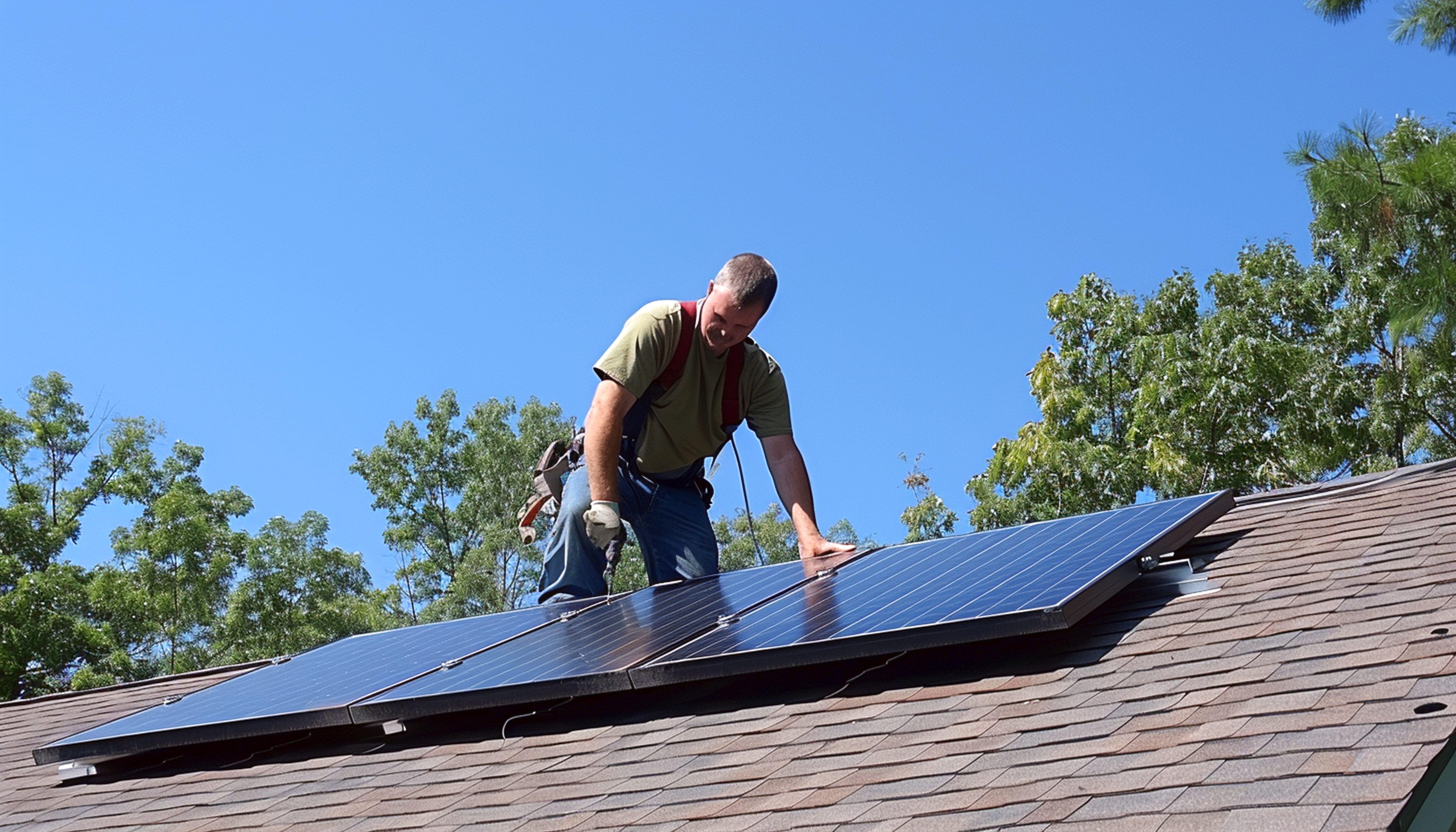
Crews mount racking, panels, inverters, and any battery — most residential systems finish in 1–3 days.
Inspection & permission to operate
City inspection and utility sign-off (PTO) let you switch on, enroll in net metering, and start exporting.
What solar costs in 2026
Installed price ranges before incentives. Your number depends on roof, usage, equipment, and whether you add a battery.
Swipe to see every system size
Start with the guides
Researched, sourced, and regularly updated — the decisions every solar buyer faces.
How much solar costs in 2026
What solar costs per watt and by system size, what a battery adds, and the factors that move your price now that the federal credit is gone.
How solar works, step by step
From your first bill analysis to permission-to-operate — exactly what happens, who does what, and how long each stage really takes.
Solar panels, explained
The different panel types, how efficiency works, the brands worth trusting, and the warranties to expect.
Rebates, incentives & the expired credit
State and utility rebates, what changed when the 30% federal credit ended, and how to stack what's left to compress your payback.
Is your roof solar-ready?
Why roof health is critical before going solar, when to replace first, and how to avoid a costly panel remove-and-reinstall later.
Your net-metering rate decides your payback — not sunshine.
Net-metering policy varies widely by state and utility. The gap between full retail-rate credit and a weak export rate can mean $400–$600 a year in lost value — and years on your payback.
- How full retail-rate (≈1:1) net metering actually works
- Net metering vs. net billing vs. avoided-cost — explained
- The fine print that quietly erases your export credits
The federal credit is gone. These still cut your cost.
The 30% federal tax credit expired December 31, 2025 — but there's still real money on the table. Many states and utilities offer rebates — especially for solar-plus-storage — through participating contractors, plus property-tax exemptions and net-metering credits.
- How to find the rebates available in your state and utility
- What changed in 2026 when the federal credit ended
- City and co-op rebates that can stack on top
Worried about AI, data centers & a rising power bill?
You're right to be. AI and data centers are driving the steepest jump in U.S. electricity demand in decades — and fast-growing regions are feeling it first. More demand on a strained grid means higher prices, which is exactly why generating and storing your own power has become a hedge, not just a green choice.
- Data centers draw power 24/7 — and demand keeps climbing
- Grid build-out costs land on your delivery charges
- Solar locks in a fixed power cost for 25+ years
Looking for a solar installer in DFW?
We've independently reviewed and ranked the top solar installers across Dallas–Fort Worth — with local cost data, buyback-plan guidance, and free, no-obligation quotes.

Compare DFW's top solar installers
| Installer | Best for | Certification | Warranty | Battery | Buyback help |
|---|---|---|---|---|---|
| Good Faith EnergyAddison / DFW | Overall pick | Tesla Powerwall Certified | Strong | Tesla Powerwall | Yes |
| Solartime USARichardson | Value · ~$2.75/W | EnergySage Elite | Standard | Enphase · Tesla | Yes |
| Freedom Solar PowerAustin / Texas | Premium | SunPower Master | 25-yr | SunPower · Tesla | Yes |
| Tesla SolarNational · DFW | Battery storage | Powerwall | Strong | Powerwall | Yes |
| SunrunNational · DFW | National brand | Licensed | Sunrun guarantee | Yes | Yes |
Featured installers are independently reviewed — each has a full review page with a call button and quote routing. See all DFW solar installer reviews →
How we research and rank
The same checks, applied to every installer we review — consistently, and the same for everyone.
Certifications
NABCEP certification, manufacturer credentials (Tesla, Enphase), licensing, and insurance — all verified.
Reviews & reputation
Volume and authenticity of Google, BBB, and SolarReviews ratings, plus complaint history.
Warranty strength
Length and transferability of equipment, inverter, and workmanship warranties.
Buyback expertise
Whether they steer you to a fair retail-match plan instead of whatever pays them.
Transparency
Clear per-watt pricing, honest production estimates, and straightforward contracts.
Local presence
Established, locally owned, and genuinely active across the DFW metroplex.
Get matched with top-rated DFW solar installers
Three ways to start: call an installer directly, share your info so up to four can reach out, or upload a recent energy bill for a real, accurate quote — not a ballpark.
- Up to 4 independently reviewed local installers
- No spam, no out-of-area lead sellers