Your roof is the foundation of your solar system
Solar panels last 25–30 years — so the roof beneath them has to last just as long. Here's why roof health is critical before you go solar, when to replace first, and how to avoid an expensive remove-and-reinstall down the road.
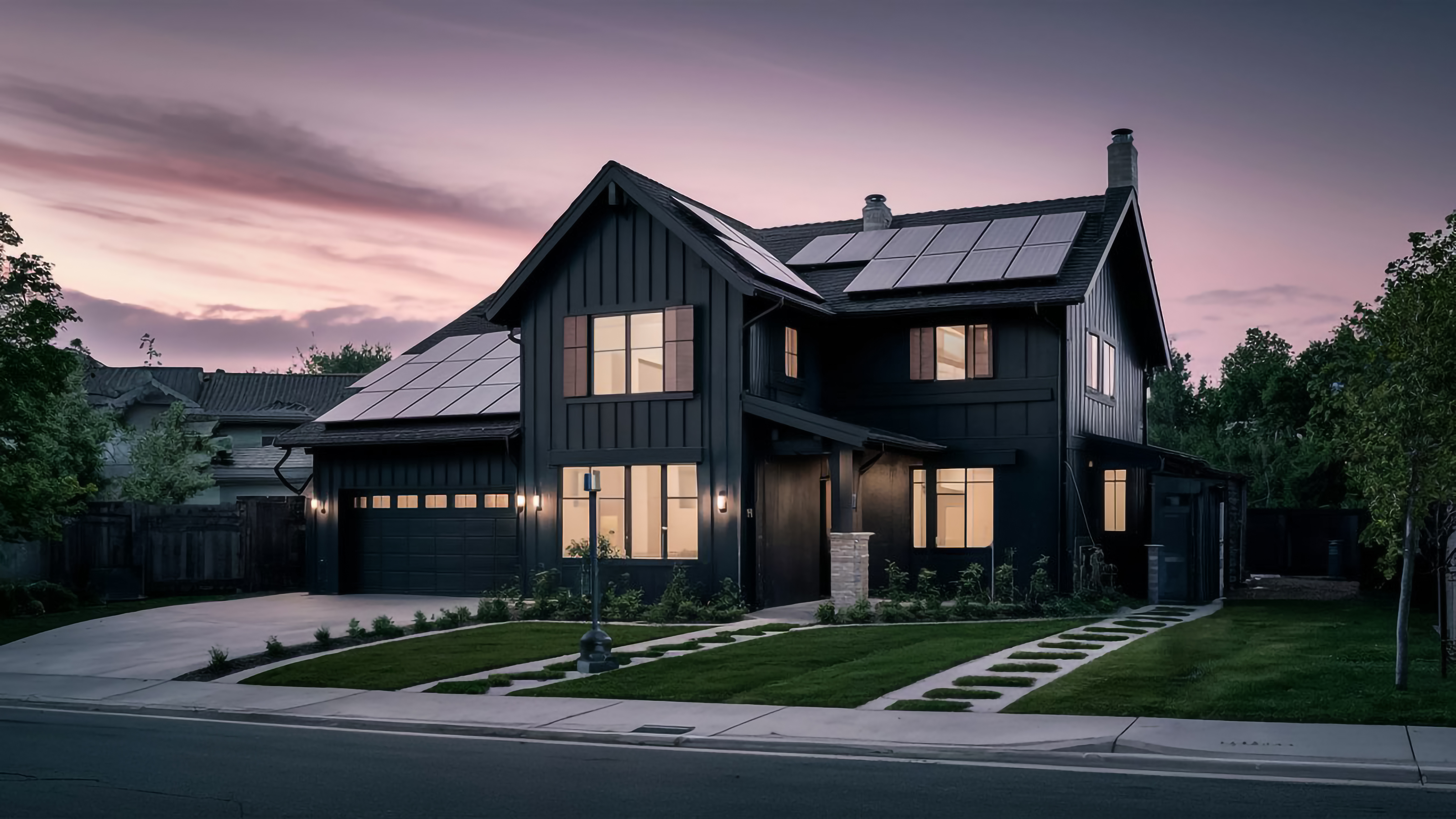
A solar array is only as reliable as the roof it sits on. Because panels are designed to produce for 25–30 years, your roof should have a comparable amount of life left — most installers want to see at least 10–15 years remaining. If your roof is older or worn, replacing it before solar avoids a $3,000–$6,000 remove-and-reinstall later, protects your warranties, and keeps your system producing without interruption.
Why the roof comes first
It's easy to think of solar as a rooftop add-on. In reality, your roof is structural infrastructure that has to carry, anchor, and protect a system for decades. Panels are bolted through the roof into the rafters; flashing and mounts penetrate the weatherproofing layer; and the whole array adds 2.5–4 lbs per square foot of permanent load.
If the surface underneath is failing, none of that ages well. A roof that needs replacing in five years means tearing a perfectly good solar array off and putting it back — paying twice for labor you could have avoided. That's why every reputable installer evaluates the roof before designing the system, and why we treat roof health as the true first step of any solar project.
The remove-and-reinstall trap
This is the single most expensive mistake homeowners make with solar timing. Install panels on an aging roof, and when that roof finally fails you'll pay a specialist to detach the entire array, store it, and remount it after the new roof goes on — on top of the cost of the roof itself.
- $3,000–$6,000 is the typical detach-and-reset cost for an average residential array.
- You lose weeks of production while the system is down.
- Re-drilling new mounting points can complicate roof and workmanship warranties.
- Some solar warranties may be affected if the array is removed by anyone other than the original installer.
Replace first and you pay once
A new roof under a new array is the clean path: one mobilization, one set of penetrations, warranties that line up, and no future teardown. The few thousand dollars you'd spend detaching panels later is better put toward the roof now.
Roof age & when to replace first
The deciding question isn't just "how old is my roof?" — it's "how many good years does it have left versus the panels on top?" Use these general guidelines, then confirm with a roofing pro:
Under 10 years
Usually solar-ready if it's in good condition. Proceed with a standard installer inspection.
10–15 years
Get it inspected. Depending on material and wear, you may want to replace before installing.
15+ years
Strongly consider replacing first — the roof will likely fail before the panels do.
Material matters too: a 15-year-old asphalt-shingle roof is a different decision than a 15-year-old metal or tile roof, which can have decades of life remaining. When in doubt, an independent roof inspection costs little and removes the guesswork.
What a solar installer inspects on your roof
Before designing your array, a good installer (often with a roofing partner) checks far more than age. They're confirming the roof can carry and protect the system for its full life:
- Structural integrity — rafters and trusses that can bear the added load.
- Decking condition — solid, dry sheathing to anchor mounts into; no rot or soft spots.
- Material & remaining life — shingle wear, granule loss, cracked tiles, rusted metal.
- Slope & orientation — pitch and direction that maximize production (south- and west-facing are ideal).
- Penetrations & flashing — existing vents, chimneys, and how mounts will be sealed.
- Shading — trees or structures that could cut output over time.
A "no" from an installer is a good sign
An installer who recommends fixing the roof first — even though it delays their sale — is showing you they value the long-term system over a quick commission. That's exactly the kind of honesty we screen for in our installer rankings.
Roofing materials & solar compatibility
Solar can be installed on almost any roof, but some materials are simpler (and cheaper) to work with than others. This affects both your install cost and how the roof-first decision plays out.
| Roof type | Solar-friendliness | Typical lifespan | Notes |
|---|---|---|---|
| Asphalt shingle | Excellent | 15–25 yrs | Easiest & most common; standard mounting. |
| Metal (standing seam) | Excellent | 40–70 yrs | Clamp-on mounts, no penetrations — ideal for solar. |
| Concrete / clay tile | Good | 40–50 yrs | Workable but pricier; tiles must be handled carefully. |
| Wood shake | Limited | 20–30 yrs | Fire and sealing concerns; often replaced first. |
| Flat / built-up | Good | 15–25 yrs | Needs ballasted or tilted racking for angle. |
The smart sequence: roof first, then solar
If your roof needs work, here's the order that saves money and protects every warranty:
- Inspect the roof. Get an independent roofing assessment of age, material, decking, and remaining life.
- Replace or repair if needed. If it's near end-of-life, replace before any panels go up — ideally with a material that outlasts the array.
- Design the solar system. With a sound roof confirmed, your installer sizes and lays out the array.
- Install solar once. One set of penetrations, aligned warranties, no future teardown.
- Pick the right net-metering plan. With the hardware settled, choose the utility plan that maximizes your payback.
Roof solid? You're ready for quotes
If your roof already has plenty of life left, skip ahead — get matched with independently reviewed solar installers and have them model your system and payback. Get free solar quotes →
Roof & solar FAQ
Do I need a new roof before installing solar panels?
How old can my roof be for solar?
What does removing and reinstalling solar cost?
Will solar panels protect or damage my roof?
Roof solid? Get matched with top solar installers
If your roof has plenty of life left, you're ready for solar. Upload a recent energy bill and we'll connect you with up to four independently reviewed companies for accurate quotes.
- Installers who'll assess roof readiness honestly
- Upload a bill for an exact quote
- You choose who to hire — zero pressure