Rising energy prices, AI, and the solar hedge
AI and data centers are pushing electricity demand — and prices — sharply upward, and the U.S. is ground zero. Here is why your bill keeps climbing, and how solar and batteries turn a rising cost into a fixed one.
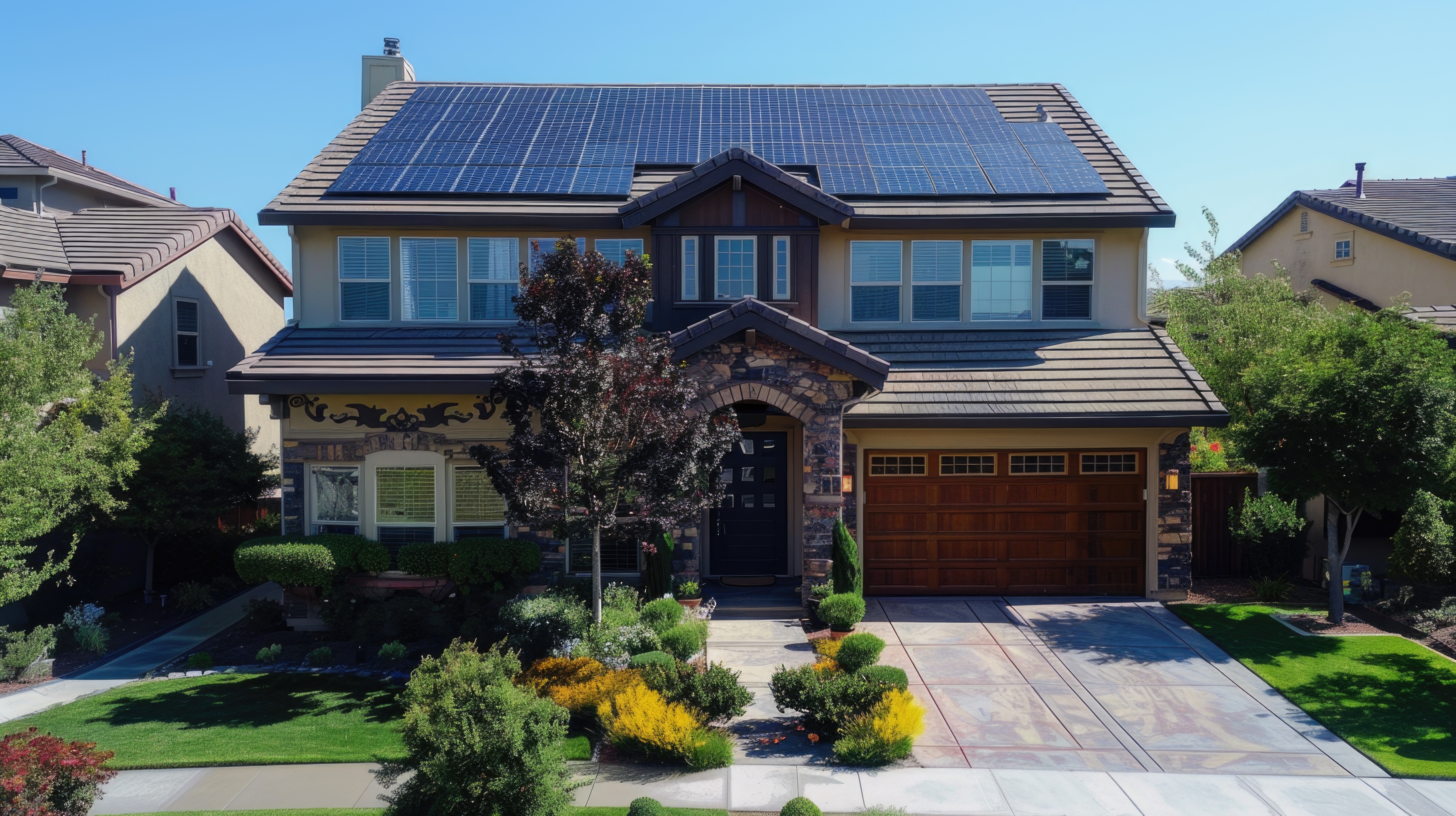
After two decades of flat demand, AI and data centers are driving U.S. electricity use sharply upward — and the U.S. is a top destination for that new load. More demand on a constrained grid, plus the billions needed to expand it, push both energy and delivery prices up for homeowners. Solar is the natural hedge: it converts an open-ended, rising bill into a fixed, one-time cost that produces power for 25-plus years, so your payback actually accelerates as rates climb. Add a battery and you also control when you use your power, ride out grid outages, and unlock state or utility rebates where available.
The demand surge: AI and data centers
For two decades, U.S. electricity demand was essentially flat. That era is over. The explosion of artificial intelligence and the data centers that power it has flipped the national load curve sharply upward — and the U.S. is at the center of it. Training and running AI models takes enormous, around-the-clock electricity, and operators are racing to build massive data centers wherever they can secure power.
Fast-growing regions are prime targets: cheap land, available power, and business-friendly policies have drawn a wave of data-center, crypto, and manufacturing projects. The result is a forecasted jump in electricity demand that the grid was not built for — and new demand on a constrained grid is exactly what pushes prices up for everyone, homeowners included.
Why surging demand raises your bill
Your electricity bill has two big parts: the energy itself and the delivery (transmission and distribution) that moves it to your home. New large loads push on both.
- More demand, same supply, higher prices. When data centers and population growth pull harder on a grid that has not added enough generation, wholesale power prices rise — and those costs flow through to retail plans.
- Grid build-out costs land on ratepayers. Meeting new demand means billions in new transmission lines, substations, and upgrades. Utilities recover those investments through the delivery charges on your bill.
- Tighter margins, more volatility. A grid running closer to its limit is more prone to price spikes during heat waves and cold snaps — the kind of volatility many households have felt firsthand.
The direction is the point
No one can predict the exact rate in 2030. But the forces here — AI load, population growth, electrification, and an aging grid — all push the same way: up. Planning around rising prices, not today's rate, is the realistic move.
Why homeowners feel it most
Fast-growing metros sit at the intersection of every trend driving prices higher: booming population, new data-center development, and the electrification of nearly everything — from new EVs to electric heat pumps — all adding household electricity demand at once.
Many homeowners also live on grids that have already shown their limits. High-profile blackouts and heat-wave emergencies have made the stakes concrete: when the grid is stressed, prices spike and reliability suffers. For families weighing solar, that combination of rising prices and shaky reliability is the core of the concern — and it is a fair one.
How solar turns a rising bill into a fixed cost
Here is the key shift in thinking: buying grid power is an open-ended subscription whose price you do not control and which is trending up. Going solar converts a big chunk of that into a fixed, one-time cost — the system — that then produces power for 25-plus years.
When you generate your own electricity, every kWh your panels make is one you do not buy at tomorrow's higher rate. That is what makes solar a hedge: as utility prices climb, the value of your own production climbs with them, and your payback actually accelerates. A system that looks break-even at today's rates looks better with every rate increase.
Why a battery makes the hedge stronger
Solar alone cuts what you buy from the grid. Adding a battery lets you control when you use your own power — which matters more as pricing gets volatile. You can store cheap midday solar and use it during expensive evening peaks, and you keep the lights on when the grid goes down.
Outage protection
Keep your home running through grid outages instead of waiting in the dark.
Beat peak pricing
Store daytime solar and use it when grid power is most expensive.
Storage rebates
A battery can unlock state or utility rebates where available, and slashes peak-time grid purchases.
Solar + storage = energy independence
Together, panels and a battery move you from fully exposed to grid prices toward largely insulated from them. For homeowners worried about where energy costs are heading, that predictability is a big part of the value — beyond the raw payback number.
What this means for your decision
You do not have to predict the future to act on it. The honest takeaway is simple: the forces driving U.S. electricity demand all point upward, and the homeowners best protected are the ones generating and storing their own power. Solar is not just an environmental choice anymore — it is a financial hedge against a rising, volatile bill.
The next step is to see how the math works for your specific home. Our is-solar-worth-it guide walks through real payback numbers, and favorable net metering plus any storage rebate are the levers that make the hedge pay off fastest.
Frequently asked questions
Will electricity prices keep rising?
How do AI and data centers affect my electric bill?
How does solar protect me from rising energy prices?
Do I need a battery to hedge against rising prices?
Lock in your power cost before the next rate hike
See how much a solar-plus-battery system would protect you from rising energy prices. Up to four independently reviewed installers will model it and quote accurately. Upload a recent bill for an exact number.
- Lock in your own power cost for 25+ years
- Upload a bill for an exact, accurate quote
- You choose who to hire — zero pressure